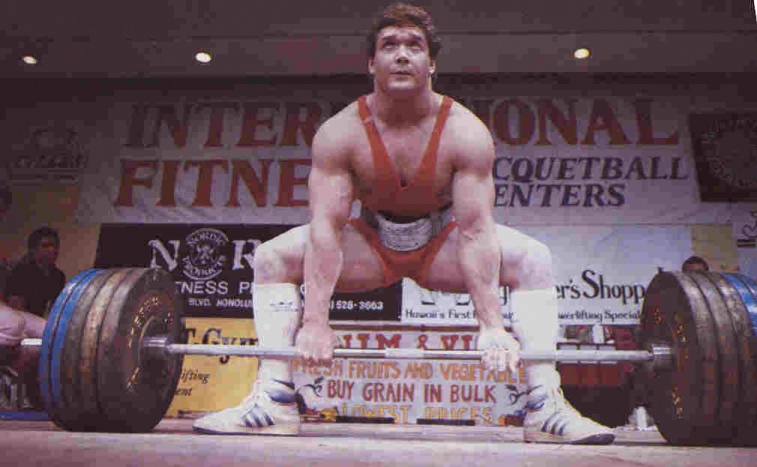
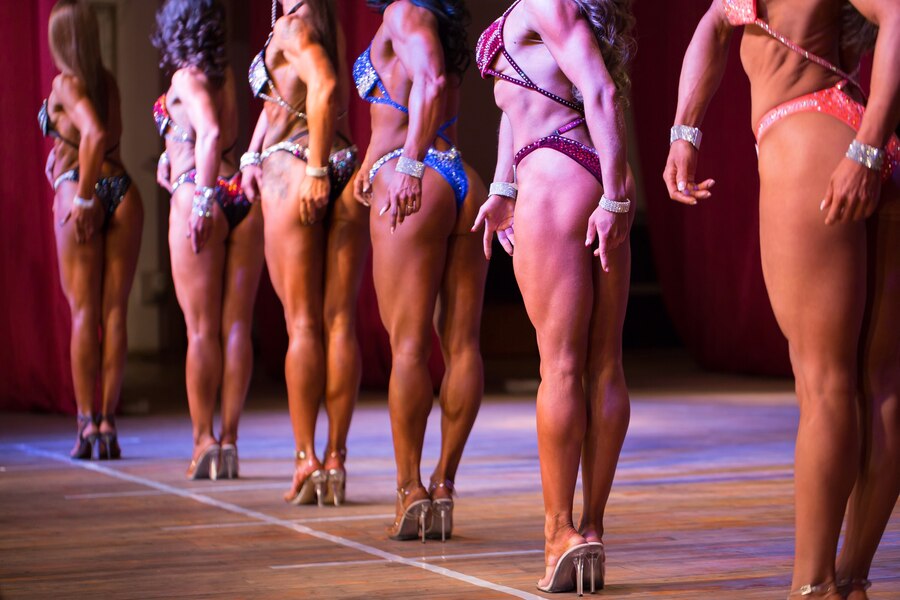
When most people think of the deadlift, they picture a chalk-covered barbell, a competition platform, and powerlifters chasing PRs. But in bodybuilding, the goal is different: maximize muscle hypertrophy rather than lifting the heaviest possible load.
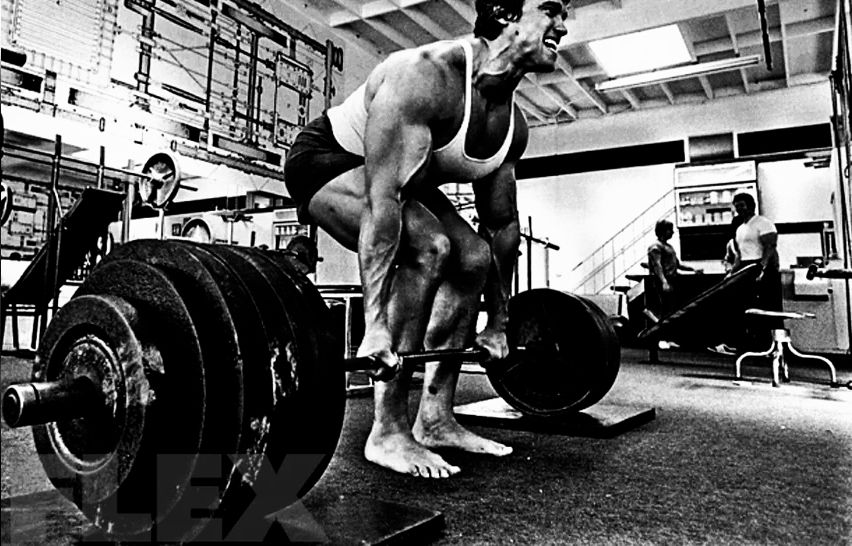
The deadlift — when programmed intelligently — can be a powerful tool for physique development. It targets multiple muscle groups at once, creates a massive hormonal response, and helps develop the thick, dense look bodybuilders often want.
Let’s break down how to adapt the deadlift for muscle growth rather than pure strength.
Why Deadlifts Can Work for Bodybuilding
The deadlift recruits a huge number of muscles:
- Posterior chain (hamstrings, glutes, spinal erectors)
- Traps and upper back
- Forearms and grip
- Core stabilizers
This compound recruitment is excellent for overall mass-building. When used in a hypertrophy context — moderate loads, controlled tempo, higher total volume — the deadlift can help create serious thickness in the back, legs, and traps.
Programming Deadlifts for Hypertrophy
Key differences from powerlifting programming:
- Use moderate weight (65–80% of 1RM) instead of max-effort loads.
- Focus on time under tension and perfect form, not speed off the floor.
- Lower the bar under control to increase eccentric loading.
Example Hypertrophy Deadlift Program
(Once per week in a bodybuilding split)
A. Conventional or Romanian Deadlift – 4 sets × 6–8 reps, 3–1–1 tempo (3s lowering)
B. Barbell Row – 4 sets × 8–10 reps
C. Bulgarian Split Squat – 3 sets × 10–12 reps per leg
D. Weighted Pull-Up – 3 sets × 8–10 reps
E. Face Pull – 3 sets × 12–15 reps
💡 Tip: Many bodybuilders opt for Romanian deadlifts or rack pulls instead of full conventional deadlifts to emphasize the hamstrings, glutes, and upper back without excessive lower back fatigue.
Pros of Using Deadlifts for Bodybuilding
- Full-body muscle recruitment – builds density across multiple muscle groups.
- Efficiency – one lift can replace several isolation exercises.
- Grip and trap development – creates that thick upper-back look.
- Hormonal boost – heavy compound lifts can increase anabolic hormone output (testosterone, growth hormone) post-training.
Cons of Using Deadlifts for Bodybuilding
- High fatigue cost – deadlifts can tax the nervous system and impact recovery for other lifts.
- Risk of injury – poor form, especially under fatigue, increases injury risk.
- Not always specific – for bodybuilders, it’s less targeted than machine or isolation work for certain muscles.
- Lower back fatigue – can interfere with other hypertrophy work like squats or rows if programmed too close together.
Alternative Protocols for Similar Benefits
If the deadlift isn’t a good fit — due to injury, equipment, or programming goals — you can mimic its benefits with targeted exercises:
- Rack Pulls – Emphasize traps and upper back without as much hamstring or lower back strain.
- Romanian Deadlifts – Prioritize hamstrings and glutes with less systemic fatigue.
- Hip Thrusts – Superior for glute hypertrophy without loading the spine heavily.
- Leg Curls + Back Extensions Superset – Isolate posterior chain muscles while keeping the load manageable.
- Trap Bar Deadlifts – More quad and trap involvement, easier on the lower back.
Final Takeaway
The deadlift can absolutely have a place in bodybuilding — but it should be programmed with muscle-building intent rather than max-strength intent. That means controlled reps, moderate weight, and attention to recovery. For many physique-focused athletes, variations like the Romanian or trap bar deadlift may offer similar benefits with less fatigue and injury risk.